Xiaomi and Redmi Phones Get Price Hike of Up to Rs 5,000 in India: Here's Why
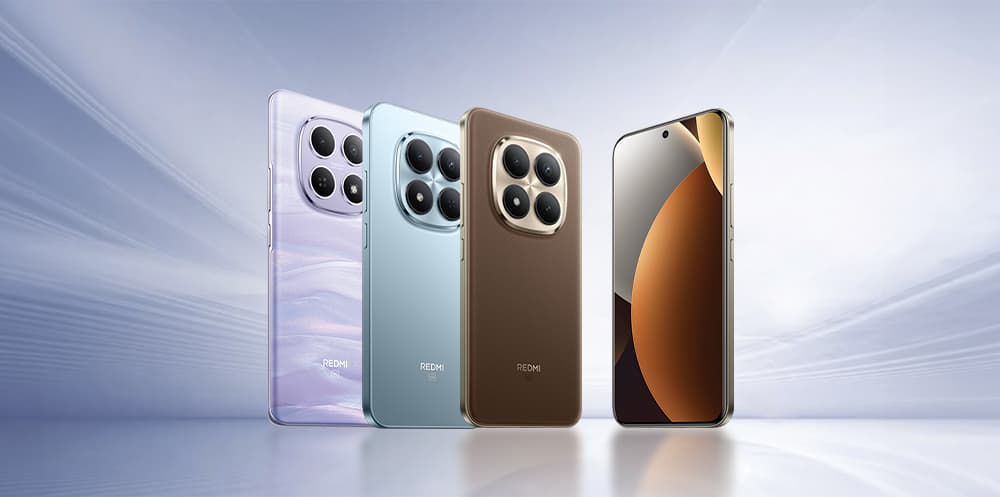
Indian smartphone buyers looking to purchase a new Xiaomi or Redmi device may have to spend more than they expected. Xiaomi has officially increased the prices of several smartphones sold in India, with some models becoming costlier by up to Rs 5,000. The decision has surprised many consumers, especially as the festive shopping season approaches.
The price revision affects a range of Xiaomi and Redmi smartphones across different price segments, from budget-friendly Redmi devices to premium Xiaomi flagships. While price hikes in the smartphone industry are not entirely new, the latest increase highlights the growing pressure manufacturers face due to rising production costs, global supply chain challenges, and currency fluctuations.
For Indian consumers, this means the smartphone market is entering another phase where flagship features come with higher price tags. Whether you are planning to buy a Redmi phone under Rs 20,000 or a premium Xiaomi flagship, understanding why these prices have changed can help you make a smarter buying decision.
In this article, we explain everything you need to know about Xiaomi's latest price hike, the smartphones affected, the reasons behind the increase, and what it means for Indian buyers.
Xiaomi Announces Price Revision in India
Xiaomi India has revised the prices of multiple smartphones, with increases ranging from Rs 500 to Rs 5,000, depending on the model and storage variant. The updated prices are already reflected on the company's official website and leading e-commerce platforms.
Unlike limited-time discounts or promotional offers, this is a permanent revision linked to higher manufacturing and import costs. Industry experts believe the move reflects broader trends affecting the global smartphone market rather than a brand-specific strategy.
For customers who were waiting for festive sales or upcoming online shopping events, this announcement means delaying a purchase could result in paying even more if additional revisions occur later this year.
Xiaomi and Redmi Phones That Have Become More Expensive
The latest price revision affects several popular Xiaomi and Redmi smartphones sold in India. While the exact increase varies depending on the variant, buyers can expect hikes between Rs 500 and Rs 5,000.
Some premium Xiaomi smartphones have received the biggest increases because they rely on expensive flagship processors, advanced camera sensors, high-speed storage, and premium display components. Mid-range Redmi devices have also seen modest price adjustments due to increased manufacturing costs.
Customers planning to purchase a Xiaomi flagship should carefully compare current prices with bank offers and exchange deals before placing an order.
Why Has Xiaomi Increased Smartphone Prices?
Many buyers assume smartphone companies simply raise prices to improve profits. However, industry analysts say the reasons are more complex.
Let's look at the major factors behind Xiaomi's latest decision.
1. Rising Component Costs
One of the biggest reasons is the increasing cost of smartphone components.
Modern smartphones include premium hardware such as:
- AMOLED displays
- High-performance processors
- Camera sensors
- LPDDR5X RAM
- UFS storage
- 5G modem chips
- Battery management systems
The prices of many of these components have increased significantly over the past year.
Memory chips, in particular, have become much more expensive due to rising global demand driven by artificial intelligence servers and cloud infrastructure.
As suppliers charge manufacturers more, companies like Xiaomi eventually pass part of those costs to customers.
2. Weak Indian Rupee Against the US Dollar
Another major factor is currency fluctuation.
Many smartphone components are imported and paid for in US dollars.
When the Indian Rupee weakens against the dollar:
- Import costs increase
- Manufacturing becomes more expensive
- Profit margins shrink
Instead of absorbing these higher costs entirely, smartphone brands often revise retail prices.
This affects not only Xiaomi but nearly every smartphone manufacturer operating in India.
3. Rising Manufacturing Costs
India has become one of Xiaomi's largest manufacturing hubs.
Although many smartphones are assembled locally, companies still import several critical parts.
Manufacturing costs have increased due to:
- Higher transportation expenses
- Increased labour costs
- More expensive semiconductor components
- Rising logistics charges
- Packaging costs
These factors collectively contribute to higher retail pricing.
4. Premium Hardware Is Getting Costlier
Consumers today expect smartphones to deliver flagship experiences.
Modern Xiaomi devices offer:
- AI-powered cameras
- Large AMOLED displays
- 120Hz refresh rates
- Powerful Snapdragon processors
- Fast charging above 90W
- Bigger batteries
- Better cooling systems
Each new generation includes improved hardware that naturally costs more to manufacture.
Brands therefore face pressure to balance innovation with profitability.
AI Is Changing Smartphone Costs
Artificial Intelligence is becoming one of the biggest investments for smartphone manufacturers.
Xiaomi has been rapidly expanding its AI ecosystem with features such as:
- AI writing assistance
- AI photo editing
- Smart gallery search
- AI voice recognition
- AI call summaries
- Intelligent translation
- Productivity tools
Supporting these features requires more powerful processors, faster RAM, and improved software development.
These investments are now influencing smartphone pricing across the industry.
Global Smartphone Industry Faces Similar Challenges
Xiaomi is not the only company adjusting prices.
Other smartphone brands have also revised prices over the past year because of:
- Semiconductor shortages
- AI hardware demand
- Expensive memory chips
- Global inflation
- Shipping costs
- Supply chain disruptions
Industry experts believe premium smartphones across all major brands may continue becoming more expensive during the coming months.
How Will This Affect Indian Buyers?
The price hike could significantly influence purchasing decisions, especially in India's highly competitive smartphone market.
Many consumers compare devices within strict budgets.
For example:
- Buyers with a budget of Rs 20,000 may now have to consider phones slightly above their original spending limit.
- Those planning to buy a premium Xiaomi flagship might explore alternatives from Samsung, Vivo, Motorola, or Realme.
- Students and first-time buyers may wait for festive discounts to offset the increased prices.
Despite the hike, Xiaomi continues to offer strong value thanks to its combination of hardware, software, and competitive specifications.
Should You Buy a Xiaomi Phone Now?
The answer depends on your needs.
If you urgently need a smartphone for work, studies, or everyday use, waiting may not offer significant savings unless a major sale event is around the corner.
However, if your current phone still performs well, keeping an eye on festive offers, exchange bonuses, and bank discounts could help reduce the impact of the revised pricing.
Many online retailers frequently bundle cashback offers, no-cost EMI options, and exchange deals that can make Xiaomi devices more affordable despite the higher list price.
Expert Analysis
From a market perspective, Xiaomi's decision reflects broader industry economics rather than an isolated pricing strategy.
The smartphone industry is undergoing one of its biggest technological transitions, with artificial intelligence, premium chipsets, advanced camera systems, and faster memory becoming standard expectations even in mid-range devices.
For manufacturers, delivering these innovations while maintaining aggressive pricing has become increasingly difficult.
In India, where consumers are highly price-sensitive, brands must strike a careful balance between affordability and innovation. Xiaomi's latest move indicates that maintaining older price points is becoming unsustainable in today's market.
For buyers, the key takeaway is to focus on overall value rather than just the sticker price. A device that offers longer software support, better performance, and future-ready AI features may provide better long-term value even if it costs slightly more upfront.
Xiaomi vs Samsung, Realme, Vivo, and Motorola: How Does the Price Hike Change the Competition?
Xiaomi has long been known for offering feature-packed smartphones at aggressive prices. However, the recent increase of up to Rs 5,000 on select Xiaomi and Redmi smartphones has slightly shifted the competitive landscape in India.
Samsung
Samsung has strengthened its position in the mid-range segment with the Galaxy A and M series. The company also offers longer software support and a polished One UI experience, making it an attractive choice for users looking for long-term reliability.
However, Xiaomi still has an advantage in terms of:
- Faster charging speeds
- Better price-to-performance ratio
- Powerful Snapdragon processors in many models
- Larger batteries on several devices
Realme
Realme remains Xiaomi's closest competitor in India. The brand focuses on delivering high-refresh-rate displays, fast charging, and gaming-oriented performance at competitive prices.
If Xiaomi's prices continue to rise, Realme could attract more buyers looking for similar specifications at slightly lower prices.
Vivo
Vivo has become increasingly popular among users who prioritize camera quality and stylish designs. While Vivo smartphones may not always offer the same raw performance as Xiaomi devices in the same price range, they excel in photography and premium aesthetics.
Motorola
Motorola has gained momentum with its clean Android experience and near-stock software. Buyers who dislike heavy user interfaces may consider Motorola devices as an alternative if Xiaomi's premium models move beyond their budget.
Will the Price Hike Affect Xiaomi's Market Share?
India is one of Xiaomi's largest smartphone markets, and pricing plays a crucial role in maintaining its leadership.
Although some consumers may switch to competing brands, industry experts believe Xiaomi will continue to remain a strong player because of its:
- Extensive offline retail network
- Popular Redmi Note series
- Strong online presence
- Competitive hardware
- Growing ecosystem of smart devices
- Regular software updates
However, sustained price increases could encourage first-time smartphone buyers to compare alternatives more carefully before making a purchase.
Is This the Right Time to Buy a Xiaomi or Redmi Smartphone?
Many buyers are wondering whether they should purchase a Xiaomi phone now or wait for future discounts.
Buy Now If:
- Your current smartphone is no longer functioning properly.
- You need a new device for work, college, or business.
- You find a good exchange offer or bank cashback deal.
- Your preferred model is still available at its previous price through offline retailers.
Wait If:
- Your current phone works well.
- You are planning to shop during Diwali, Amazon Great Indian Festival, or Flipkart Big Billion Days sales.
- You expect exchange bonuses or additional cashback offers.
- You want to compare upcoming smartphone launches before making a decision.
Festive sales in India often bring significant discounts that can partially offset price increases.
How the Price Hike Impacts Budget Buyers
India is one of the most price-sensitive smartphone markets in the world. Even a price increase of Rs 1,000–Rs 2,000 can influence purchasing decisions.
For example:
- A buyer with a budget of Rs 15,000 may now have to stretch their budget or choose a lower storage variant.
- Students and first-time smartphone users may postpone upgrades.
- Families purchasing multiple smartphones could look for more affordable alternatives.
At the same time, many consumers are also placing greater value on software support, AI features, and camera performance rather than focusing only on the lowest price.
Why Smartphone Prices Could Continue Rising
The Xiaomi and Redmi price revision may not be the last increase the Indian smartphone market sees this year.
Several industry trends suggest prices could remain under pressure:
Rising AI Investment
Smartphone brands are investing heavily in artificial intelligence features such as:
- AI photo editing
- AI voice assistants
- Real-time translation
- Smart search
- Writing assistance
- Productivity tools
Developing and integrating these features requires more powerful chipsets and memory, increasing manufacturing costs.
Premium Components
Consumers now expect:
- AMOLED displays
- 120Hz refresh rates
- 5G connectivity
- High-resolution cameras
- Fast charging
- Better battery life
These premium components continue to become more expensive.
Supply Chain Challenges
Global logistics, semiconductor availability, and import costs remain unpredictable. Any further disruption could affect smartphone prices across multiple brands.
Expert Opinion: Is Xiaomi Still Worth Buying?
Despite the latest price hike, Xiaomi continues to offer strong value in several categories.
Performance
Xiaomi devices often provide flagship-level processors at prices lower than many competitors.
Camera Quality
Computational photography, AI enhancements, and high-resolution sensors continue to make Xiaomi smartphones attractive for photography enthusiasts.
Battery and Charging
Many Xiaomi phones include large batteries and industry-leading fast charging technologies, reducing downtime for users.
Software Experience
The latest HyperOS updates have improved system optimization, security, and ecosystem integration, although software preferences remain subjective among users.
Overall, Xiaomi still delivers competitive hardware and features that justify its position in the Indian smartphone market.
Tips for Indian Buyers Before Purchasing
If you're planning to buy a Xiaomi or Redmi smartphone after the price hike, keep these tips in mind:
- Compare prices across online and offline retailers.
- Check for bank discounts and cashback offers.
- Use exchange programs to reduce the final cost.
- Consider higher storage variants if the price difference is small.
- Look for bundled offers that include accessories or extended warranties.
- Compare specifications with Samsung, Realme, Vivo, Motorola, and other competing brands before making a final decision.
Making an informed purchase can help you get the best value even in a rising-price market.
Future Outlook
Industry analysts expect smartphone manufacturers to continue focusing on artificial intelligence, better cameras, and premium user experiences over the next few years.
Rather than competing solely on price, brands are increasingly differentiating themselves through:
- AI-powered software
- Long-term software updates
- Ecosystem integration
- Premium build quality
- Better after-sales service
For Indian consumers, this means future smartphones may become more capable—but also more expensive.
Final Verdict
Xiaomi's latest decision to increase the prices of several Xiaomi and Redmi smartphones by up to Rs 5,000 marks another important shift in the Indian smartphone market. While higher prices may disappoint buyers, the reasons behind the increase—rising component costs, expensive AI hardware, currency fluctuations, and global supply chain challenges—reflect broader trends affecting the entire industry.
For most buyers, the decision to purchase should depend on individual needs rather than price alone. If your current device no longer meets your requirements, Xiaomi still offers some of the best value-for-money smartphones in India. However, if your upgrade is not urgent, waiting for festive discounts or exchange offers could help reduce the impact of the revised pricing.
As competition from Samsung, Realme, Vivo, Motorola, and other brands intensifies, consumers have more choices than ever. Comparing specifications, software support, after-sales service, and overall value will be more important than simply looking at the lowest price.
The Indian smartphone market continues to evolve rapidly, and Xiaomi's latest pricing strategy reflects how brands are adapting to a future driven by artificial intelligence, premium hardware, and changing consumer expectations.
Frequently Asked Questions (FAQs)
1. Why have Xiaomi and Redmi phones become more expensive in India?
The price increase is mainly due to higher component costs, expensive memory chips, currency fluctuations, increased manufacturing expenses, and investments in AI-powered smartphone features.
2. How much have Xiaomi and Redmi phone prices increased?
Depending on the model and variant, prices have increased by Rs 500 to Rs 5,000.
3. Which Xiaomi phones are affected by the price hike?
Several Xiaomi and Redmi smartphones across budget, mid-range, and premium segments have received revised prices. The exact increase depends on the model and storage variant.
4. Should I wait before buying a Xiaomi smartphone?
If your current phone works well, waiting for festive sales, exchange offers, or bank discounts may help you save money.
5. Are other smartphone brands likely to increase prices?
Yes. Many smartphone manufacturers are facing similar cost pressures, making future price revisions across the industry possible.
6. Is Xiaomi still a good choice after the price hike?
Yes. Xiaomi continues to offer competitive performance, cameras, battery life, and fast charging, making it a strong option despite the higher prices.
7. What are the best alternatives to Xiaomi?
Samsung, Realme, Vivo, Motorola, iQOO, and POCO all offer competitive smartphones across different price ranges.
8. Will festive sales reduce the new prices?
Major shopping events often include discounts, cashback offers, and exchange bonuses that can lower the effective purchase price.
9. Does the price hike affect older Xiaomi models?
Some older models may retain their original pricing until existing stock is exhausted, while newer shipments may reflect updated prices.
10. Are AI features making smartphones more expensive?
Yes. AI-powered software and on-device processing require advanced chipsets, faster memory, and continuous software development, contributing to higher manufacturing costs.