Motorola Razr Ultra 2026 Review
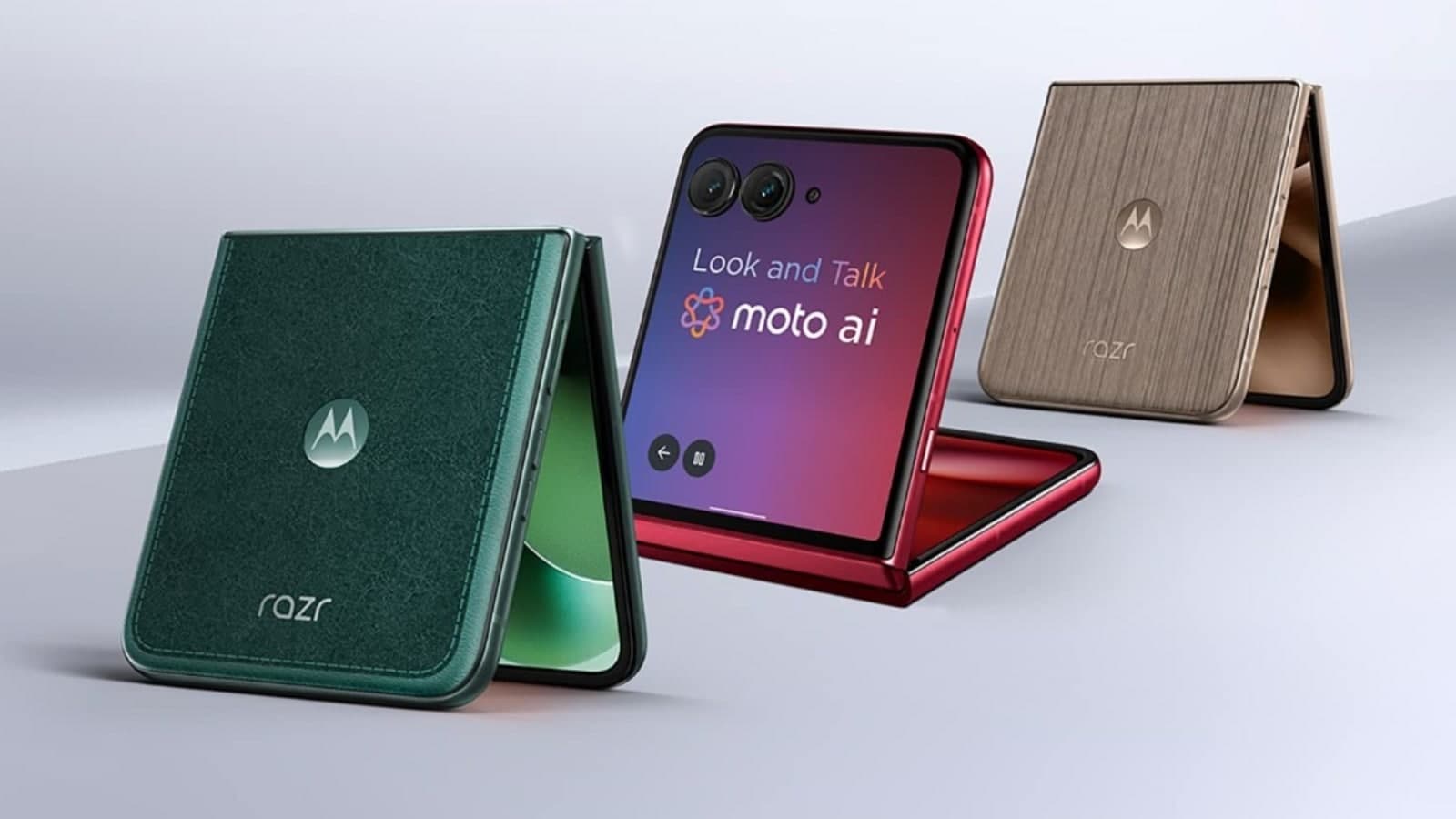
The Motorola Razr Ultra is a great flip phone, but its price is raising eyebrows.
There's no doubt that the new Motorola Razr Ultra 2026 takes the crown as the most sophisticated and premium flip phone of the year. But here's the absurd part: it's practically the same phone as last year's model – almost no changes. Yet somehow, it now costs $200 more.
We're talking $1,500.
After spending a few days with this phone, I appreciate its luxurious look and the slight improvements. But I don't think you should buy one.
What hasn't changed? A lot.
The processor is the same as last year's Razr Ultra. Charging speeds haven't budged. Screen sizes are identical. You still get 16GB of RAM – and that might actually be the main reason for the price hike, given the ongoing RAM crisis.
So what's new?
The Razr Ultra 2026 gets a bigger battery, a new high-end camera sensor, some AI refinements, and some gorgeous colors and finishes.
Where to buy it
US carriers like Verizon, AT&T, and T-Mobile heavily promote and discount the lower‑tier Razr 2026 and Razr Plus 2026 models, but they don't offer this premium Ultra version.
Your best bet is probably Motorola's official website. Right now, they're offering a $400 discount with a trade‑in (almost any phone works), plus two free gifts: Moto Buds 2 Plus and a 4‑pack of Moto Tags. You can also find the Razr Ultra on Amazon and at Best Buy.
Design and Display – Budget foldables have never looked better
If there's one thing the Razr Ultra 2026 has going for it, it's the looks. Our review unit is Orient Blue, with a soft‑touch Alcantara finish that feels absolutely lovely in the hand. The other color, Cocoa, features a wood finish – a welcome change from all the glass and metal slabs out there.
Size and form haven't changed. The Razr Ultra has slightly rounded sides and strikes a middle ground with thickness: 7.2mm when unfolded, and a slightly chubby 15.7mm when folded. That's 15% thicker than the Galaxy Flip 7, so if you want a slimmer device, Samsung is the better option. At 199 grams, it's also a tiny bit heavier than the Flip.
Like all other new Razrs, it comes with IP48 water and dust resistance. But that "4" means it's only protected against particles larger than 1mm. Finer dust and sand could still sneak into the hinge and potentially cause damage, so keep that in mind.
In the box you get:
- The Razr Ultra itself
- USB Type‑C cable
- SIM ejector tool
- User manual
Screens
You get a 7‑inch main OLED display with 165Hz support – great for gamers – and a 1224p resolution, which is slightly crisper than typical 1080p panels.
The external screen is a 4‑inch OLED that goes edge to edge and flows over the two cameras. It also supports 165Hz refresh rate for some reason. I can't imagine anyone gaming on that tiny cover screen, so it feels unnecessary for daily use.
Motorola claims the screen gets slightly brighter this year, but our in‑house measurements didn't show a meaningful difference – it's more or less on par with the previous edition. Motorola has a habit of making bold brightness claims, but they usually measure in unrealistic ways (like a tiny white spot on an all‑black screen). Most people won't notice the difference.
Fingerprint scanner
It's built into the power button on the side. Standard, fast, reliable. No issues.
Camera – New main sensor, but don't expect a miracle
The Razr Ultra has two 50MP cameras: main and ultra‑wide.
The big change this year is a new cutting‑edge sensor type called LOFIC (Lateral Overflow Integration Capacitor). In theory, this should give photos better dynamic range – so the brightest parts won't blow out to pure white, and shadows will have more detail.
Main camera
The LOFIC sensor sounds cool on paper, but in the side‑by‑side photos I took with the 2026 and 2025 models, I didn't see a major improvement. Sure, color science is tweaked – the 2026 photos look a bit brighter and more cheerful – but the difference isn't huge.
Portrait mode
You can shoot 1x and 2x portraits, but again, quality hasn't changed much beyond slightly different colors.
Zoom quality
Here's a surprise. While 1x photos didn't impress me much, zoomed shots on the 2026 Ultra show noticeably more detail. That's a win.
Ultra‑wide
No major changes here.
Selfies
I actually prefer the selfies from the new Ultra – it lights up the subject better, and that's what matters most.
Performance & Benchmarks – Same old, with a worrying issue
You'd expect the latest processor in a $1,500 phone. But no – the Razr Ultra uses last year's Snapdragon 8 Elite, the same chip that powered the 2025 model. You can blame the economy, but it's not a good look.
At least you get generous 16GB of RAM and 512GB of storage.
CPU benchmarks (Geekbench 6): Unsurprisingly, nothing changed from last year.
GPU performance – red flag
Sadly, you won't see the Razr Ultra in our GPU and gaming benchmarks. The new model got way too hot after 5–6 minutes of running the benchmark and just quit. We tried this a couple of times with different graphics tests and got the same results. That's definitely concerning if you're planning to buy this phone for heavy gaming.
Storage speeds
Interestingly, we got slightly higher random read/write speeds, which affect daily performance – opening apps, scrolling through your gallery, etc. That's a nice little win.
Software – Only three years of updates? Ouch
I was also disappointed to learn that despite that $1,500 price tag, Motorola is still offering only three years of OS updates. Compare that to seven years on the much cheaper Galaxy Flip 7. Not a good look.
Otherwise, the software is Motorola's familiar clean take on Android – the phone ships with Android 16.
On the AI side, the Razr Ultra is the only model in the lineup with a dedicated AI button. There are some incremental additions:
- Catch Me Up – Summarizes missed notifications and chats from WhatsApp and Messages. It's a bit faster now and supports more regional languages on‑device.
- Pay Attention – Records and transcribes live conversations or meetings, then drops a summary into Moto Notes. Multi‑speaker separation has improved.
- Remember This – Attaches an AI‑generated text description to any screenshot or photo, so you can find it later just by searching in plain language.
- Look and Talk – Wake the assistant by simply looking at the cover display when the phone is in Tent mode.
- Playlist / Image Studio – Generate wallpapers from a text description, or turn a musical mood into words and get a custom playlist.
Battery – Unimpressive, but with a twist
The Razr Ultra packs a 5,000mAh battery (now silicon‑carbon type) – a slight bump from last year's 4,700mAh. Compare that to the Flip 7, and the Motorola has nearly a 15% size advantage.
In my experience, the Razr Ultra is still mostly a one‑day phone. It does last a bit longer than before – if you're on vacation taking lots of photos, it has a better chance of making it to the end of the day.
Our battery test results gave us some weird numbers. Recent Motorola phones seem to drain surprisingly fast on our web browsing test, putting the Razr Ultra at a disadvantage. At the same time, it crushed the video playback test – nearly 10 hours, which is great for a flip phone.
Charging
The phone supports 68W wired speeds – great for a flip. But keep in mind: Motorola uses its proprietary TurboPower system, so you need a Motorola charger. If you use a standard USB‑C PD charger (like Anker), you'll fall back to slower speeds.
Wireless charging is supported at 30W, but there's no Qi2 and no built‑in magnets.
Audio and haptics
With hybrid speakers (a down‑firing bottom speaker and a front‑firing one in the earpiece), the Razr Ultra sounds quite good – but not outstanding given the limitations of the flip form factor.
Haptics are strong and tight, with a nice clicky feel.
Specs overview (quick recap)
- Display: 7" 165Hz OLED main + 4" 165Hz OLED cover
- Processor: Snapdragon 8 Elite (same as 2025)
- RAM: 16GB
- Storage: 512GB
- Cameras: 50MP main (LOFIC) + 50MP ultra‑wide
- Battery: 5,000mAh, 68W wired, 30W wireless
- OS: Android 16, 3 years of updates
- IP rating: IP48
- Price: $1,500
Should you buy it?
$1,500 is a lot of money for a phone that hasn't changed much from its predecessor. At full retail price, the Motorola Razr Ultra 2026 doesn't make much sense. But it's going to get discounted. Just recently, we saw the Razr Ultra 2025 plunge to just $800 (its launch price was $1,300). So it's reasonable to expect big discounts on this phone in the coming months.
Fortunately for Motorola (and unfortunately for consumers), Samsung isn't expected to make big changes to its Flip lineup this year either. Still, I'd wait to see what the Flip 8 brings. After that, your best bet is hunting for the best bargain if you really want a top‑tier flip phone in 2026.