I hope the needless camera tech of the iPhone 18 Pro doesn’t filter down to the iPhone 20
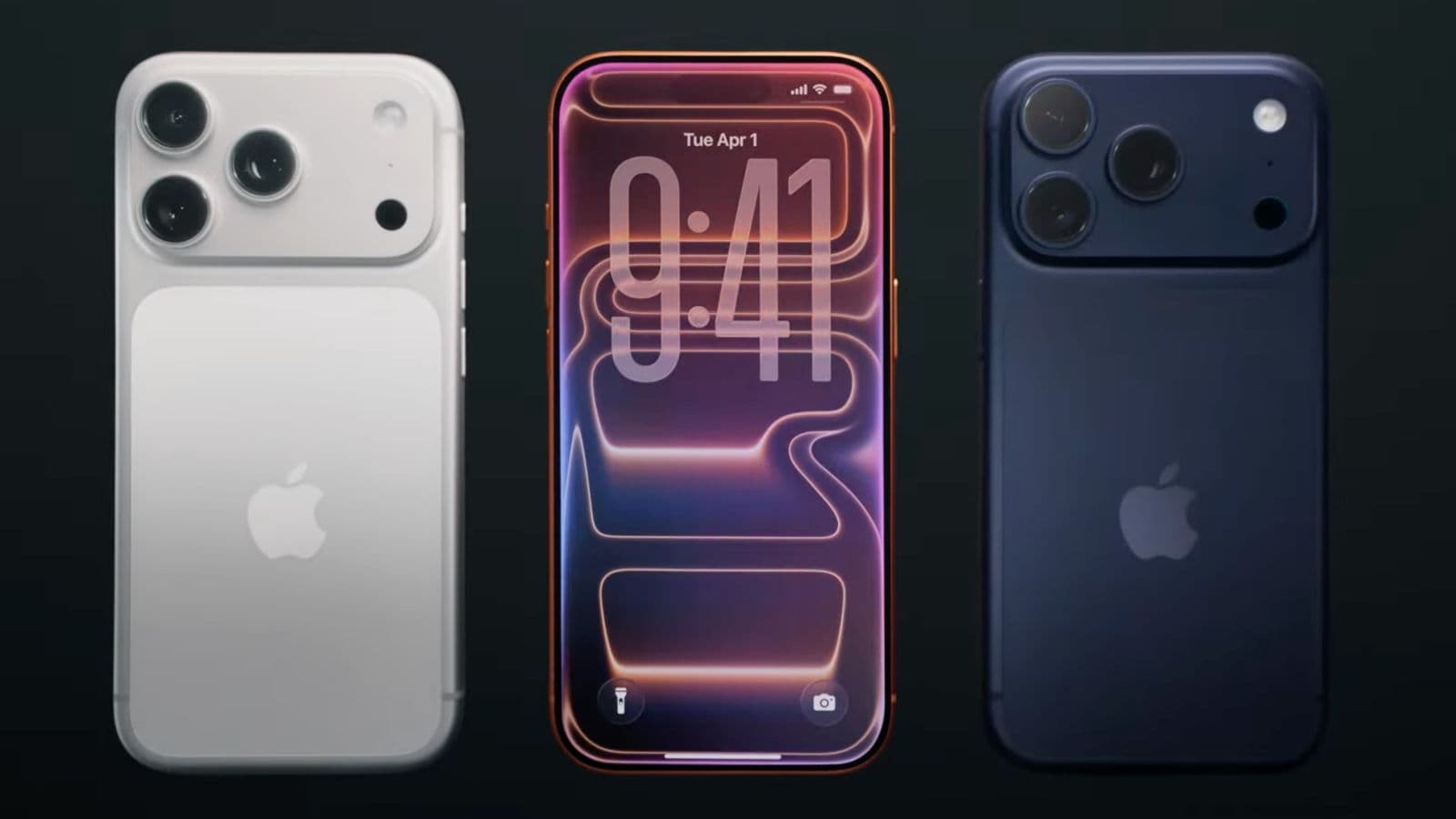
The iPhone 17 Pro could be the real winner here.
The iPhone 18 Pro doesn’t need to light a fresh fire. It simply has to keep the iPhone 17 fire burning till the iPhone 20 – the anniversary job – comes along in 2027.
The iPhone 17 family is doing fantastic things in a very fascinating situation. In the US, Apple’s smartphone sales were up 1.3% YoY in Q1 2026, while the whole US smartphone market was down roughly 6% in Q1 2026 (vs. 2025). We're in the middle of the RAMpocalypse storm, I hope it's the middle, fingers crossed this isn't merely the beginning.
That’s why both the vanilla Galaxy S26 and iPhone 17 Pro saw a $100 price rise last September. But even at Apple’s new price of $1,099, customers didn’t flee. Apple really nailed the nail on the head with the iPhone 17 series. We received good enhancements outdoors. We got good upgrades inside. And people responded. We voted. With our dollars.
It’s ridiculous to dream of a replay of the same occurrence with the iPhone 18. So, the iPhone 18 lineup looks like a great, safe, boring, predictable upgrade over the iPhone 17. And there’s nothing wrong with it -- meaningful upgrades happen every two years (or longer). But Apple is on the verge of making a blunder if it throws unneeded enhancements into the iPhone 18 Pro camera system.
Who needs that variable aperture!
It's rumored the iPhone 18 Pro Max – and the iPhone 18 Pro, for that matter – would get a variable aperture for their cameras. If this report is accurate, prices could rise again, as a variable aperture demands more gear. I hope this doesn't happen. If Apple can maintain the starting price of the iPhone 18 Pro at $1,099 by not including a variable aperture, that would be wonderful.
And then there’s the practical question, other than money. Samsung and Apple use variable apertures in their cameras (Galaxies and iPhones have small sensors therefore the variable aperture is not necessary in a smartphone). Even the 1″ “monster” sensors in Oppo and Xiaomi flagships look puny relative to full-frame or crop sensors in specialized cameras. So why add moving elements to the camera on the iPhone 18 Pro?
Small sensors already have a large depth of field by nature (everything is in focus). Even if you shoot with a smartphone lens wide open at f/1.8 or f/1.6, the actual focal length is only a few millimeters, so much of the scene will still be in focus. There is not much gain in depth of field when closing down to f/2.8 or f/4.0. That's extremely different than a DSLR or mirrorless camera, where a big sensor and longer focal lengths mean that adjustments in aperture can have a huge effect on the look of an image.
Aperture is one of the most essential creative controls you have on dedicated cameras. Typically those bokeh-filled (blurred backdrop) portraits are shot with an f/1.4 lens. If you "stop down" to f/8 or f/11, much of the scene will be in focus. The discrepancies are more obvious with larger sensors. Our devices use software trickery to fake effects that can be done visually with cameras. Portrait mode combines depth maps and processing to generate background blur that is unattainable naturally. And putting a variable aperture on the iPhone 18 Pro camera feels like overkill.
Who wins with a variable aperture?
Variable aperture can be quite handy for film makers. With video you usually set the shutter speed to get realistic motion blur. You can't modify the shutter speed as freely as you can with photos to get the right exposure. In bright situations, decreasing the aperture minimizes incoming light. A narrower aperture can also help decrease optical defects and increase the sharpness of the edge. But that’s a specialized benefit.
Why else not?
If Apple wants to push the limits and raise pricing anyway, I think there are better solutions than a variable aperture (which eats space, adds moving parts, and adds complexity). Why not a 1-inch sensor? Or more secure? Or a larger (fixed) aperture for the telephoto? Any one of those would make the iPhone 18 Pro camera far better.
Last thought
Anyway, I just hope Apple doesn’t go for a variable aperture for the iPhone 18 Pro or iPhone 20. Or, rather, it could surprise us with… a larger battery? Yeah, new rumors say that’s probably not happening. The iPhone 18 Pro’s camera should be clever, not gimmicky. A guy can still dream though.